A dealer may sell your products every month yet ignore your loyalty scheme. Another may register for rewards but never submit a qualifying transaction. A third may genuinely support your brand but stop participating after a delayed payout. These situations explain why choosing among the best loyalty programs in India is less about offering the biggest prize and more about making participation worthwhile, trustworthy and easy.
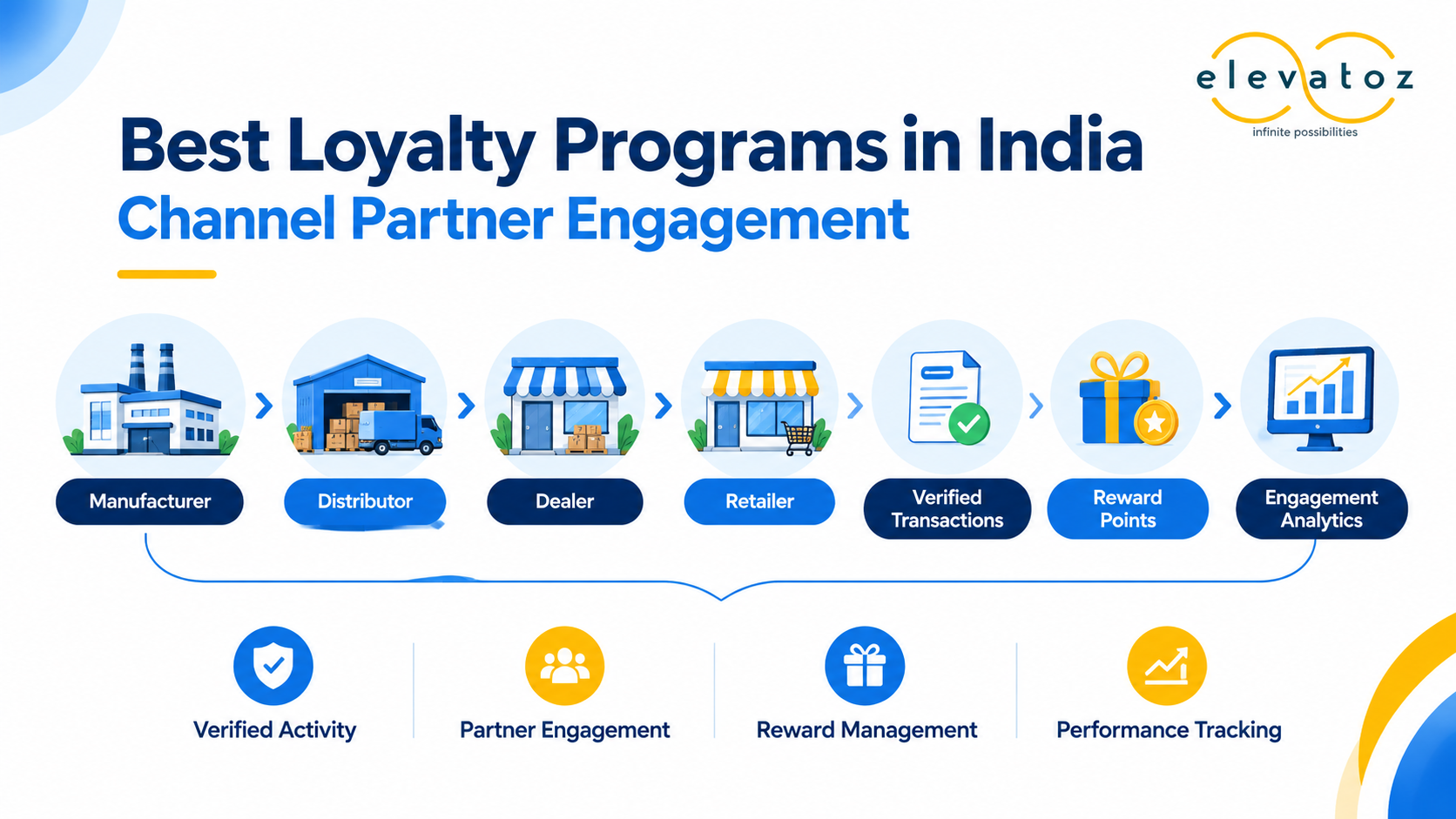
For manufacturers selling through distributors, dealers and retailers, loyalty is an operating challenge. Brands need to recognize meaningful activity without rewarding duplicate claims, reach partners who rarely interact with head office and understand whether incentives actually change purchasing behaviour. Here is a practical framework for designing and evaluating a channel loyalty program that does those jobs.
What Makes a Channel Partner Loyalty Program Effective?
A useful program begins with a clear exchange: partners know which activities qualify, what evidence is needed, how rewards are calculated and when they can expect fulfilment. Registration should be simple, rules should be available in the partner’s preferred language and disputes should have a clear resolution path.
The strongest design also distinguishes enrollment from engagement. Ten thousand registered partners mean little if only a small share complete verified activities. Monitor participation by partner type, region, product category and cohort, then investigate where people drop out. Transparent rules, timely communication and reliable validation matter as much as reward value.
Types of Loyalty Programs Used by Indian Businesses
Dealer and retailer loyalty programs
A dealer loyalty program may reward repeat purchases, product mix or approved sell-out activity. Retailer loyalty programs typically need simpler interactions because shop owners handle multiple brands and have limited time for data entry. A building materials brand, for example, could recognize dealers for verified sales of a newly launched product rather than merely ordering more stock.
Distributor incentive and performance programs
Distributor programs may focus on territory coverage, service quality, reporting timeliness and sell-through, not just primary billing. This distinction helps avoid incentives that encourage channel loading without genuine downstream demand. Clear treatment of returns, cancelled invoices and overlapping territories is essential.
Points, tiers, milestones and non-monetary recognition
Points are flexible, but partners need to understand their value. Tier-based recognition can reward sustained participation; milestones suit a product launch or training campaign. Non-monetary benefits—priority support, learning opportunities, recognition or useful business services—can complement vouchers and merchandise. Test which benefits partners actually value rather than assuming one reward catalogue fits every market.
Essential Features to Look for in a B2B Loyalty Platform
When evaluating a B2B loyalty platform, ask vendors to demonstrate a real partner journey—from enrollment and activity submission to verification, reward approval and support. A polished dashboard is not a substitute for a working process.
Look for configurable earning rules, tier logic, reward catalogues, partner segmentation, communication workflows, role-based access, audit trails and integration options. Ask how the system handles invalid invoices, repeated claims, returns, offline participation and approval exceptions. Verify whether reports distinguish claims submitted from claims approved and rewards issued from rewards redeemed.
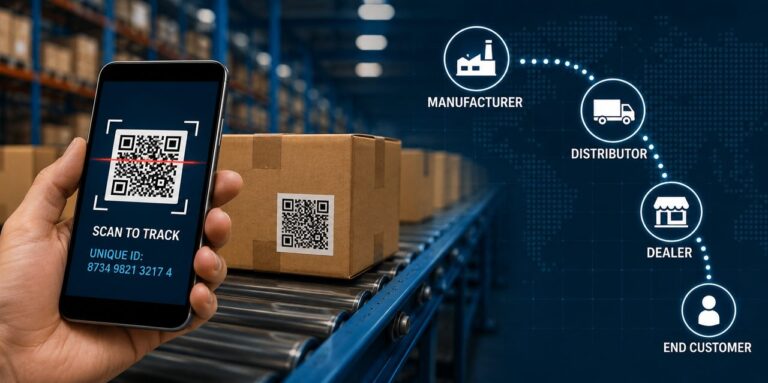
In sectors where product movement matters, traceability solutions can provide scan-led events and structured movement records. Where counterfeit or diverted products create risk, anti-counterfeiting solutions may add verification and anomaly-detection workflows. These are related capabilities, not automatic features of every loyalty package; confirm scope and integration requirements.
How Digital Loyalty Programs Improve Channel Partner Engagement
Consider a hypothetical electrical-products manufacturer operating across several states. Its annual retailer scheme attracts sign-ups, but activity falls after the first month. The field team learns that retailers do not know which invoices qualify, while reward approval takes weeks. Increasing the reward budget would not solve either problem.
A better approach is to simplify qualifying rules, provide a consistent submission channel, show claim status and send useful reminders. The team can then compare active participation, verified transactions, claim rejection rates and repeat purchasing before and after the change. These measures help identify improvement, although seasonality and promotional effects still need to be considered.
Channel partner engagement also extends beyond the seller. Mechanics, contractors, electricians and applicators may influence the brand a customer chooses. Where appropriate, influencer engagement systems can structure onboarding, learning, referrals and verified participation for these groups.
How to Evaluate Loyalty Program Providers in India
There is no universally best loyalty platform for every manufacturer. A regional FMCG company and a nationwide paints brand will have different transaction volumes, partner behaviours and system requirements. Use a weighted scorecard rather than relying on a “top ten” list.
- Business fit: Can the provider support your dealer, retailer, distributor and influencer journeys without forcing everyone into the same workflow?
- Verification and controls: How are claims validated, suspicious activity reviewed, returns reconciled and approvals audited?
- Implementation and integrations: Which ERP, CRM, distributor management and messaging integrations are available? Who owns data mapping and testing?
- Partner experience: How many steps does registration take? Is the interface practical for low-connectivity locations and local-language users?
- Reporting and ownership: Can you export raw data, define active participation consistently and compare results by geography and partner cohort?
- Cost and service: Assess setup, licensing, reward fulfilment, communications, support, integration changes and ongoing administration—not software price alone.
Request a limited pilot with clear acceptance criteria. For example, choose two comparable territories, agree on the reporting definitions and measure onboarding completion, verified activity, time to reward and support resolution. A pilot exposes operational friction that a sales presentation cannot.
How Elevatoz Loyalty Supports Channel Partner Engagement
Elevatoz Loyalty describes its channel loyalty program approach as connecting verified partner activity with configurable incentives and ongoing engagement. Its published channel-loyalty offering includes tiering logic, a points engine, bonus multipliers, gamification, reward catalogue automation, OTP-validated vouchers, helpdesk and communication workflows, and field activity integration.
For brands managing complex distribution networks, these capabilities are relevant because they connect program rules, partner participation and operational control. Elevatoz also presents traceability, product authentication and trade-influencer engagement as separate solution areas. Businesses should discuss the specific integrations, configuration and reporting needed for their use case rather than assuming every feature is included by default.
Common Mistakes to Avoid When Implementing a Loyalty Program
The most common mistake is launching a reward scheme before defining the behaviour it should change. A program intended to improve retailer sell-out should not measure success solely by distributor purchases. Likewise, offering attractive rewards cannot compensate for confusing rules, poor onboarding, irrelevant incentives or slow grievance handling.
Avoid treating every claim as a genuine sale. Define evidence standards, duplicate checks and exception handling. Give field sales teams a practical role in explaining the program, but do not make them the only source of transaction truth. Review partner feedback regularly; what looks like inactivity in a dashboard may be a training, connectivity or stock-availability problem.
Finally, measure business impact rather than only redemptions. Elevatoz’s article on measuring B2B loyalty program ROI explains why participation, repeat purchases, downstream sales and full program costs all matter. Where possible, compare similar partner groups or territories and separate incremental contribution from activity that would have happened anyway.
Frequently Asked Questions
What are the best loyalty programs in India for channel partner engagement?
The best choice depends on your channel structure, reward objectives, validation needs, integrations and support requirements. Evaluate programs on partner experience and measurable business outcomes, not claims of being number one.
What is a B2B loyalty platform?
It is software used to administer and measure incentive and engagement programs for business partners such as dealers, distributors, retailers and trade influencers.
How does a dealer loyalty program work?
A brand defines eligible dealer activities, verifies evidence, awards points or benefits under published rules and tracks engagement and reward fulfilment.
What features should channel loyalty software include?
Look for partner onboarding, flexible rules, activity verification, reward administration, communications, analytics, access controls, audit trails and relevant integrations.
How can businesses improve retailer participation?
Simplify enrollment and claims, communicate in familiar channels, explain reward rules clearly, resolve issues quickly and ask retailers which benefits are genuinely useful.
How do companies measure loyalty program ROI?
Compare incremental business value with the complete program cost, including technology, rewards, communications and operations. Track repeat purchases, active participation and retention alongside sales.
Can loyalty programs help distributors and dealers increase engagement?
Yes, when programs recognize verified, relevant activity and offer a reliable partner experience. Results depend on program design, adoption and execution.
How should businesses choose a loyalty program provider in India?
Define business requirements, compare demonstrations using the same scenarios, check references and security, understand total cost and run a controlled pilot before scaling.
Conclusion:
The best loyalty programs in India are not necessarily those with the most reward options. They are the ones that make it easy for partners to participate, verify the right activities, communicate clearly and help brands learn what is working. Start with the business behaviour you want to improve, test the partner journey and measure outcomes beyond registrations and redemptions. Explore Elevatoz Loyalty’s channel engagement approach to assess whether its capabilities match your network and goals.