If you’re searching for a loyalty program company in India, you’re probably past the “should we do this” stage and into “who should we work with.” That’s a harder question to answer, because the market includes everything from simple points-and-rewards apps built for retail storefronts to enterprise platforms designed to manage thousands of dealers and distributors across the country.
This guide doesn’t rank providers or declare a “best” company — there isn’t enough public, verifiable data to do that honestly. Instead, it explains what a loyalty program company actually does, how the different program models work, and what to evaluate before you commit budget and internal resources to one.
What Is a Loyalty Program Company?
It helps to separate two things that often get used interchangeably.
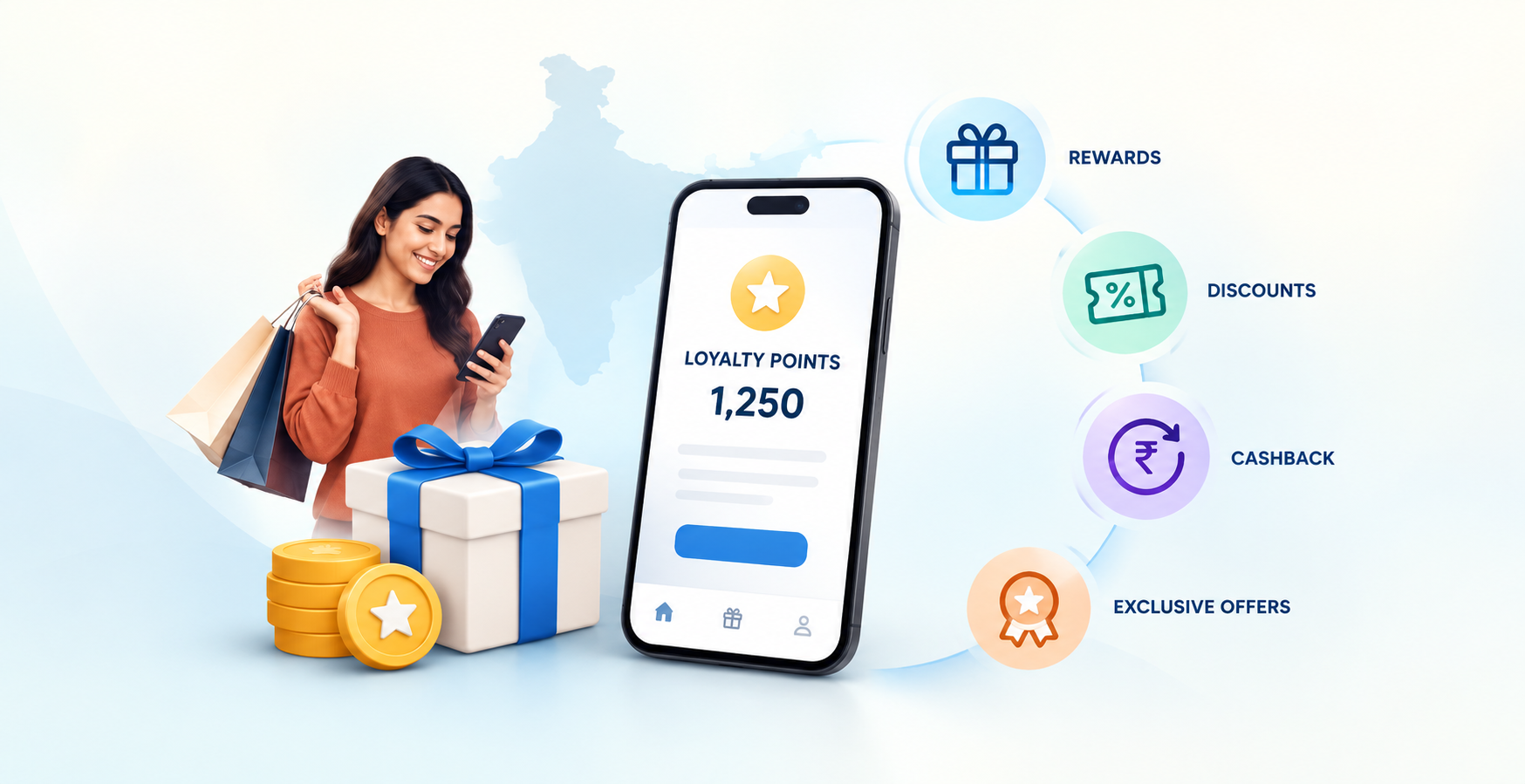
A loyalty program is what the end user experiences — earning points on a purchase, unlocking a tier, redeeming a reward. A loyalty program company is the business behind that experience: the one that builds the technology, designs the reward logic, manages fulfilment, and keeps the program running day to day.
When a business searches for a “loyalty program company,” they’re usually not looking for a consumer-facing scheme like an airline miles program — they’re looking for a partner or platform provider who can design and operate a program on their behalf. That partner might supply the software only, or they might handle the full lifecycle: strategy, technology, reward sourcing, redemption, and reporting.
How a Loyalty Program Actually Works
Strip away the branding, and most loyalty platforms run on the same basic mechanics:
Enrolment — customers, dealers, or channel partners sign up through an app, web portal, SMS, or in-store/point-of-sale process.
Activity capture — the system records the actions that should be rewarded: a purchase, an invoice scan, a certification completed, a store visit.
Rules engine — predefined logic converts that activity into points, credits, or tier progress.
Reward catalogue and redemption — members exchange earned value for a reward, whether that’s a voucher, cashback, merchandise, or an experience.
Communication — automated messages keep members informed of balances, offers, and expiring rewards.
Reporting and analytics — the business gets visibility into participation, redemption behaviour, and program ROI.
The quality of a provider often comes down to how well they execute the less visible parts of this chain — particularly activity capture (is it accurate and hard to game?) and fulfilment (do rewards actually reach people reliably?) — rather than the visible points-and-badges layer.
Why Indian Businesses Are Investing in Loyalty Programs
A few factors are driving this specifically in the Indian market:
Retention is cheaper than acquisition. This holds everywhere, but it matters more in categories where margins are thin and competition is intense — building materials, FMCG, and consumer durables among them.
Channel structures are large and fragmented. Many Indian manufacturers sell through multi-layered networks of distributors, sub-dealers, and retailers spread across geographies. Keeping that many relationships engaged without a structured program is difficult to do manually.
Digital payments have simplified redemption. UPI and mobile wallets mean rewards can be disbursed instantly, which has made loyalty programs far more practical to run — even for mid-sized businesses that previously found the logistics of physical rewards too costly.
B2B businesses use loyalty for a different reason than retail. For manufacturers and distributors, a loyalty or incentive program isn’t primarily about repeat purchases in the retail sense — it’s about keeping dealers and retailers actively selling a brand over competing ones on their shelf.
B2B vs B2C Loyalty Programs
B2B vs B2C Loyalty Programs
Not every provider is built for both, and the distinction matters when you’re evaluating fit. A B2C loyalty program rewards end consumers — typically for purchases, store visits, or referrals — with points, cashback, or discounts, and its primary goal is driving repeat purchase behaviour. You’ll see this model most commonly in retail, e-commerce, and F&B businesses. A B2B or channel loyalty program works differently: it rewards dealers, distributors, retailers, or influencers rather than end shoppers, and the actions that earn rewards look different too — sales volume, certifications completed, stocking behaviour, or deal registration, rather than a simple purchase. The rewards themselves also shift toward incentive payouts, gifts, training credits, and recognition rather than straightforward cashback. And where a B2C program is optimizing for repeat purchases, a B2B program is optimizing for something broader — sustained channel engagement and consistent sell-through. This model shows up most often in manufacturing, FMCG, pharma, building materials, and electricals.
If your customers are individual shoppers, you need a provider built for consumer-facing engagement. If your “customers” are the dealers and retailers who sell your product on your behalf, you need a provider that understands channel dynamics — multi-tier hierarchies, regional sales structures, and incentive payout logistics that consumer-loyalty platforms typically aren’t built for.
If your customers are individual shoppers, you need a provider built for consumer-facing engagement. If your “customers” are the dealers and retailers who sell your product on your behalf, you need a provider that understands channel dynamics — multi-tier hierarchies, regional sales structures, and incentive payout logistics that consumer-loyalty platforms typically aren’t built for.
Types of Loyalty and Incentive Program Models
A few structures come up repeatedly, particularly on the B2B/channel side:
Points-based programs — the most common model; participants earn points for defined actions and redeem them from a catalogue.
Tiered programs — participants unlock better benefits as they progress through levels, often based on sales volume, engagement, or credentials such as training completion.
Slab or volume-based incentive programs — common in channel sales, where payout rates increase as a dealer or distributor crosses defined purchase thresholds.
Campaign or gamified incentives — short-term, behaviour-specific pushes (for example, rewarding a retailer for stocking a new SKU or completing a product training module).
Paid or subscription loyalty — mostly a B2C model, where customers pay for premium access to discounts and perks.
Hybrid programs — combining a base points or slab structure with tiered status and periodic campaigns, which is where most mature channel programs eventually land.
What to Look for in a Loyalty Program Company
Before shortlisting providers, it’s worth evaluating them against a few practical criteria:
Relevant industry experience. A platform that’s mostly worked with retail chains may not understand the operational realities of a multi-tier dealer network in building materials or agri-inputs, and vice versa.
B2B, B2C, or both. Confirm the platform is actually designed for your audience rather than adapted from a consumer template.
Customization of rules and rewards. You should be able to define your own point logic, tier criteria, and reward catalogue — not be locked into a fixed template built for a different industry.
Integration capability. The platform should connect cleanly with your existing CRM, ERP, distribution management system, or POS setup, since activity data usually needs to flow from these systems rather than be entered manually.
Redemption options suited to India. UPI payouts, e-vouchers, and mobile wallet credit tend to see far higher engagement than programs that only offer catalogue merchandise, especially across dealer networks spread over smaller towns.
Reward fulfilment, not just reward design. A program is only as good as its ability to actually deliver what’s promised. Ask how a provider handles logistics for physical rewards, vendor management for catalogue items, and dispute resolution when a payout goes wrong.
Depth of analytics. A basic points dashboard tells you what happened. A useful platform tells you which behaviours are driving results, which segments are disengaging, and where to intervene before a partner churns.
Data security and compliance. With India’s Digital Personal Data Protection Act now shaping how customer and partner data must be handled, it’s reasonable to ask any provider how they manage consent, storage, and data access — this isn’t optional due diligence anymore.
Program governance and transparency. Participants disengage quickly when earning and redemption rules are unclear or change without notice. A provider that emphasizes clear, published program rules is generally a better long-term bet than one focused purely on the reward mechanics.
Ongoing support model. A loyalty program isn’t a one-time build — it needs continuous management: new campaigns, catalogue refreshes, tier reviews, and troubleshooting. Understand what level of ongoing support is included versus billed separately.
Common Mistakes When Choosing a Loyalty Program Provider
A few patterns show up repeatedly in programs that underperform:
- Choosing based on price alone, without checking whether the platform genuinely fits a B2B/channel use case versus a retail one.
- Over-engineering the program at launch — multiple tiers and complex eligibility rules before participants even understand the basics tend to suppress adoption rather than drive it.
- Underestimating integration effort, leading to manual data entry that quietly kills program accuracy within a few months.
- Ignoring fulfilment logistics until rewards start getting delayed or disputed, which damages trust faster than almost anything else.
- Not defining success metrics upfront — tracking points issued instead of the actual business outcomes (repeat orders, retailer retention, reduced dealer attrition) the program was meant to drive.
Industries That Rely on Loyalty and Channel Engagement Programs in India
Loyalty and incentive programs are widely used across:
- Building materials and construction inputs
- FMCG and consumer goods
- Pharmaceuticals
- Automotive and auto components
- Electricals and consumer durables
- Agricultural inputs
- Retail and e-commerce
Across most of these — particularly building materials, agri-inputs, and pharma — channel engagement tends to matter as much as, or more than, end-consumer loyalty, since the dealer or retailer relationship directly influences what gets sold.
Where Elevatoz Fits Into the Loyalty Ecosystem
Elevatoz works specifically on the channel loyalty side of this market — building and running programs for manufacturers and enterprises that sell through dealers, distributors, retailers, mechanics, and field influencers rather than directly to end consumers. That focus shapes what the platform is built for: partner onboarding, activity capture across complex sales hierarchies, incentive execution, and analytics tailored to channel performance rather than retail transactions.
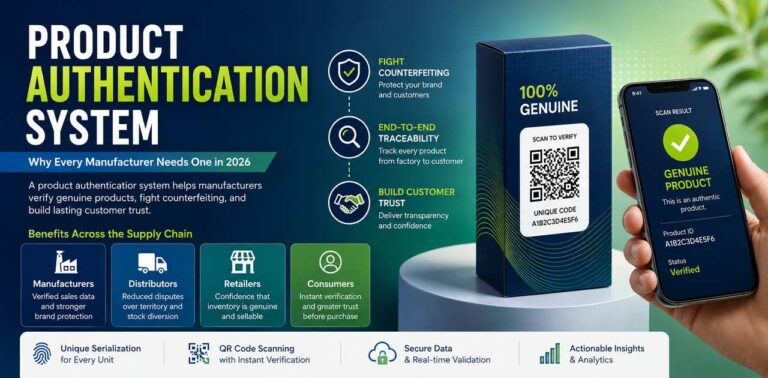
In sectors like building materials, agriculture, and industrial goods, channel visibility and product authenticity are closely connected problems — a dealer incentive program is far less effective if a business can’t confirm which products are moving genuinely through its network. For this reason, Elevatoz also offers product traceability and anti-counterfeiting systems that can work alongside a loyalty program, giving businesses a clearer, verified picture of what’s actually happening across their distribution chain — not just what’s being claimed for reward purposes.
More detail on the company’s approach and experience across these industries is available on the About page, and businesses evaluating providers may also find it useful to review published case studies as part of their due diligence — a reasonable ask of any provider under consideration, not just Elevatoz.
Frequently Asked Questions
What is a loyalty program company?
A loyalty program company is a technology and service provider that designs, builds, and manages a rewards or incentive program on behalf of a business — rather than being the loyalty program itself.
What’s the difference between a B2B and B2C loyalty program?
A B2C program rewards individual end consumers for purchases or engagement. A B2B or channel loyalty program rewards dealers, distributors, or retailers for behaviours like sales volume, stocking decisions, or training completion — the audience, incentives, and goals differ significantly.
How much does a loyalty program cost in India?
Costs vary widely depending on program complexity, the number of participants, required integrations, and whether reward fulfilment is included. Rather than looking for a fixed price point, it’s more useful to ask providers for a cost breakdown based on your specific scale and requirements.
Can loyalty programs be customized for dealers and distributors?
Yes — most established channel loyalty platforms allow custom point rules, slab structures, and tier criteria specific to a distribution hierarchy, rather than using a one-size-fits-all retail template.
What features should a loyalty platform have?
At minimum: flexible rule configuration, reliable integration with existing business systems, multiple redemption options, transparent reporting, and dependable reward fulfilment. For channel programs specifically, support for multi-tier hierarchies and regional/language variation also matters.
How long does it take to implement a loyalty program?
A straightforward points-based program can often launch within a few weeks. A larger channel program involving multiple integrations, custom hierarchies, and phased dealer onboarding typically takes longer — often a few months — depending on scope.
Is data security a concern with loyalty programs in India?
It should be part of any evaluation. Since these programs collect personal and transactional data from customers or channel partners, it’s worth confirming how a provider handles consent, data storage, and compliance with India’s data protection regulations before signing on.
Conclusion
There’s no single “best” loyalty program company in India — the right fit depends on whether you’re rewarding end consumers or channel partners, how complex your distribution structure is, and what systems the program needs to integrate with. What matters more than a brand name is whether a provider genuinely understands your business model, can execute reliably on both the reward design and the fulfilment side, and gives you real visibility into whether the program is changing behaviour — not just issuing points.
For manufacturers and enterprises working through dealer and distributor networks specifically, that usually means looking for a partner built around channel dynamics rather than a retail template adapted after the fact — which is the space Elevatoz works in.