A single counterfeit product can undo years of brand-building in one bad customer experience. That’s the real cost of counterfeiting, it’s not just lost sales, it’s lost trust. A fake product detection system exists to catch that problem before it reaches the customer, and in doing so, it quietly becomes one of the more underrated tools for building long-term brand loyalty.
This guide looks at how fake product detection actually works, why it matters more than ever, and how it translates directly into stronger customer relationships and repeat business.
What Is a Fake Product Detection System?
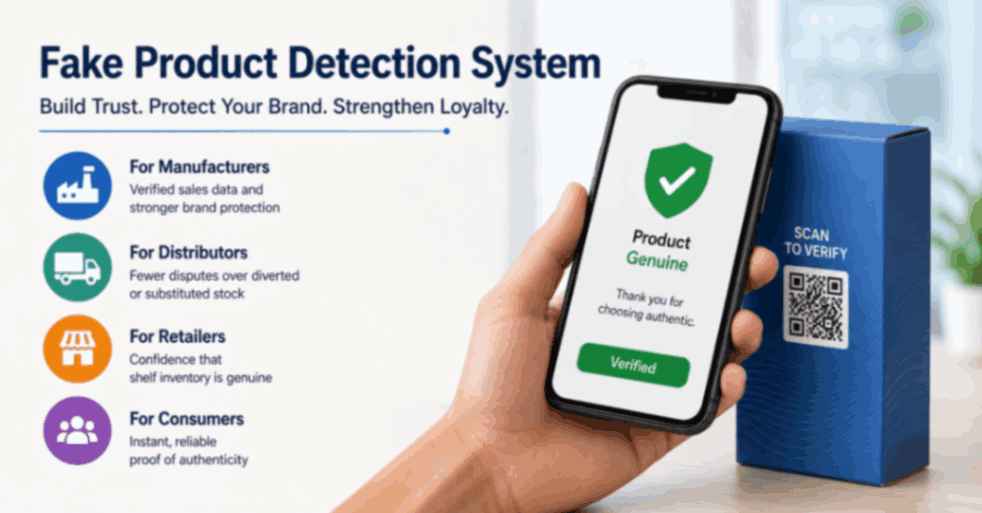
A fake product detection system allows manufacturers, retailers, and customers to verify whether a product is genuine, typically by scanning a unique code and checking it against secure production data.
Rather than relying on visual cues like packaging quality or holograms, which counterfeiters have gotten increasingly good at copying, a modern fake product detection system ties every unit to a digital identity created at the point of manufacturing. If a scanned code doesn’t match a legitimate record, or has already been used elsewhere, the system flags it immediately.
This turns authentication from a subjective judgment call into something verifiable in seconds, which matters enormously as fake products become harder to spot with the naked eye.
Why Counterfeit Products Are a Growing Threat
Counterfeit prevention in supply chain management has become more urgent for a few clear reasons.
● E-commerce and quick-commerce platforms have made it easier for counterfeit sellers to reach customers directly, often without the scrutiny of a physical storefront.
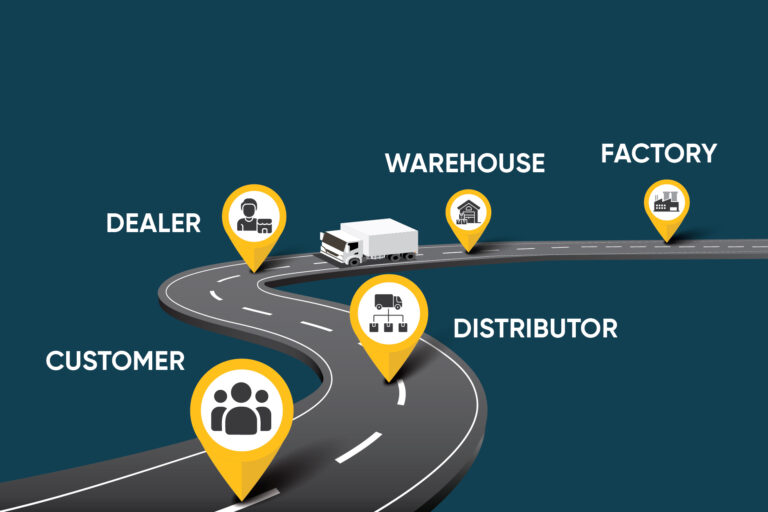
● Multi-tier distribution networks, especially common across India, create more handoff points where genuine product can be swapped or diluted.
● Improved counterfeiting techniques mean fake packaging often looks nearly identical to the original, making visual detection unreliable.
● Popular, trusted brands are targeted more, precisely because customers already associate the name with quality, making a convincing fake more profitable.
None of these pressures are temporary. They reflect how retail and distribution actually work today, which is exactly why brands can’t rely on packaging alone to protect themselves.
How QR Codes, Serialization, and Product Authentication Work Together
Three components work together to make fake product detection genuinely effective.
Serialization gives every individual unit its own unique identifier, rather than a shared batch code, which is what makes detection possible at the unit level rather than only in aggregate.
A QR code traceability system makes verification practical at scale, since any smartphone can scan a code instantly without specialized equipment. Each scan checks against secure production records and returns a clear result immediately.
Together, these feed into a broader product authentication system, and often into an end-to-end traceability system that tracks the product’s full journey from factory to customer, not just a single verification event.
How Fake Product Detection Builds Consumer Trust
Trust is built or lost at the moment a customer questions whether what they bought is real. A reliable detection system removes that uncertainty entirely.
When a customer can scan a code and get instant confirmation that a product is genuine, it does something packaging alone never could: it gives them proof, not just reassurance. That distinction matters, especially in categories where counterfeiting has historically been common and customers have learned to be cautious.
Over time, this consistency, being able to verify authenticity every single time, builds a quieter but more durable form of trust than marketing messaging ever can.
The Impact on Brand Loyalty and Customer Retention
Trust and loyalty are closely linked, but they’re not the same thing. Loyalty comes from a track record of trust reinforced repeatedly.
Customers who consistently verify genuine products develop confidence that extends beyond a single purchase. They’re more likely to repurchase, recommend the brand to others, and stick with it even when a cheaper alternative appears. This is where fake product detection quietly supports the same goals as a well-run dealer loyalty program, rewarding genuine engagement while protecting the brand equity that makes loyalty worth building in the first place.
Benefits for Manufacturers, Distributors, Retailers, and Consumers
| Stakeholder | Key Benefit |
| Manufacturers | Verified sales data and stronger brand protection |
| Distributors | Fewer disputes over diverted or substituted stock |
| Retailers | Confidence that shelf inventory is genuine |
| Consumers | Instant, reliable proof of authenticity |
For manufacturers, this data also strengthens reward fulfillment solutions tied to channel programs, since incentives can be based on verified genuine sales rather than figures that are easier to manipulate.
Industries That Benefit From Fake Product Detection
● FMCG brands face high counterfeiting risk in fast-moving, high-volume categories sold through informal retail.
● Pharma companies rely on detection to protect patient safety, ensuring medicines dispensed are genuine.
● Agriculture businesses use it to confirm that seeds and crop inputs reaching farmers haven’t been substituted or diluted.
● Electronics manufacturers protect against fake components and accessories that can damage both performance and reputation.
● Building materials brands verify authenticity at the point of contractor or mason purchase, where brand decisions happen in real time.
● Automotive companies use detection to prevent counterfeit spare parts from entering service and repair networks.
● Consumer goods brands connect detection data with loyalty programs, turning a simple scan into both a safeguard and an engagement moment.
Key Features of an Effective Fake Product Detection System
Unique, Tamper-Resistant Identifiers
Each code should be unique at the unit level and resistant to duplication or reuse across multiple products.
Instant, Reliable Verification
Detection should return a clear result within seconds, without requiring a follow-up process or manual review.
Multi-Tier Supply Chain Visibility
Detection works best when connected to broader traceability across distributors, dealers, and retailers, not operating as an isolated checkpoint.
Real-Time Fraud Alerts
Automated flags for repeated or suspicious scans should reach the right teams immediately rather than surfacing later during an audit.
Offline Functionality
Verification needs to work without constant connectivity, syncing data once a connection is available, particularly important across rural and semi-urban markets.
Common Implementation Challenges and Best Practices
Keeping verification simple. If scanning feels complicated, customers and retailers simply won’t use it. The process needs to be nearly instant.
Educating the channel. Distributors and retailers need to understand that detection protects their business too, reducing disputes and building customer confidence in their own stock.
Avoiding isolated systems. Running detection separately from broader traceability creates blind spots that a connected system avoids.
Prioritizing high-risk product lines first. Piloting on the products most targeted by counterfeiters demonstrates value before a wider rollout.
Monitoring data continuously. Detection only creates value when scan data is actively reviewed, not just collected and archived.
Why Choose Elevatoz Loyalty
Elevatoz Loyalty approaches fake product detection as part of a connected ecosystem rather than a standalone checkpoint. Our anti-counterfeit solutions combine unit-level serialization with real-time verification, working alongside broader supply chain traceability so manufacturers get a complete picture rather than isolated data points.
Zentram.ai powers the intelligence layer behind this data, surfacing suspicious scan patterns faster than manual review ever could. Backed by more than 20 years of experience, documented in our case studies and research reports, Elevatoz has helped manufacturers across FMCG, agriculture, and building materials protect their brands while strengthening genuine customer trust.
Conclusion
A fake product detection system does more than stop counterfeits, it protects the trust that turns a one-time buyer into a loyal customer. As counterfeiting grows more sophisticated, the manufacturers who invest in genuine, verifiable protection will be the ones customers keep choosing.
If your brand still relies on packaging alone to reassure customers, it’s worth exploring what a connected detection system can do instead. Schedule a demo with Elevatoz Loyalty to see how a fake product detection system could protect your brand and strengthen customer loyalty.
FAQs
What is a fake product detection system?
It’s a system that lets manufacturers, retailers, and customers verify whether a product is genuine, typically by scanning a unique code checked against secure production records.
How does fake product detection build brand loyalty?
By giving customers reliable, repeatable proof of authenticity, it builds trust over time, which translates into repeat purchases and stronger customer retention.
How do QR codes help detect fake products?
Each genuine product carries a unique QR code tied to its production record. Scanning it instantly reveals whether the product is authentic, already used, or unrecognized.
Can fake product detection integrate with loyalty programs?
Yes, connecting detection data with loyalty programs allows rewards to be based on verified genuine sales rather than self-reported figures, strengthening both trust and program accuracy.
Which industries benefit most from fake product detection?
FMCG, pharma, agriculture, electronics, building materials, automotive, and consumer goods all face meaningful counterfeiting risk and benefit strongly from detection systems.