A packaging head at an FMCG company told me something last quarter that stuck with me: Our QR code scans went up 40%. So did our counterfeit complaints. That’s the QR code problem in one sentence. A code that anyone can photograph and reprint isn’t security, it’s a suggestion.
Why QR Codes Alone No Longer Stop Counterfeiters
QR codes were never built as anti-fraud tools. They’re a data pointer, easy to screenshot, easy to reprint on a fake label, and easy to redirect to a lookalike verification page. Counterfeiters have caught up. Industry reporting this year points to the same pattern: static, visible codes deter casual buyers, not organized fraud operations.
What Invisible Anti-Counterfeiting Actually Means
Invisible authentication moves the security layer where a counterfeiter can’t see or copy it. This includes:
- Invisible inks and digital fingerprints embedded within the packaging artwork itself
- Micro-patterns printed at a resolution standard scanners can’t replicate
- Cryptographic serialization, giving every unit a unique, unclonable identity
- NFC and RFID tags for tap-to-verify authentication
- Digital twins, a virtual record matched against the physical product at every supply chain checkpoint
How AI Changes Product Authentication
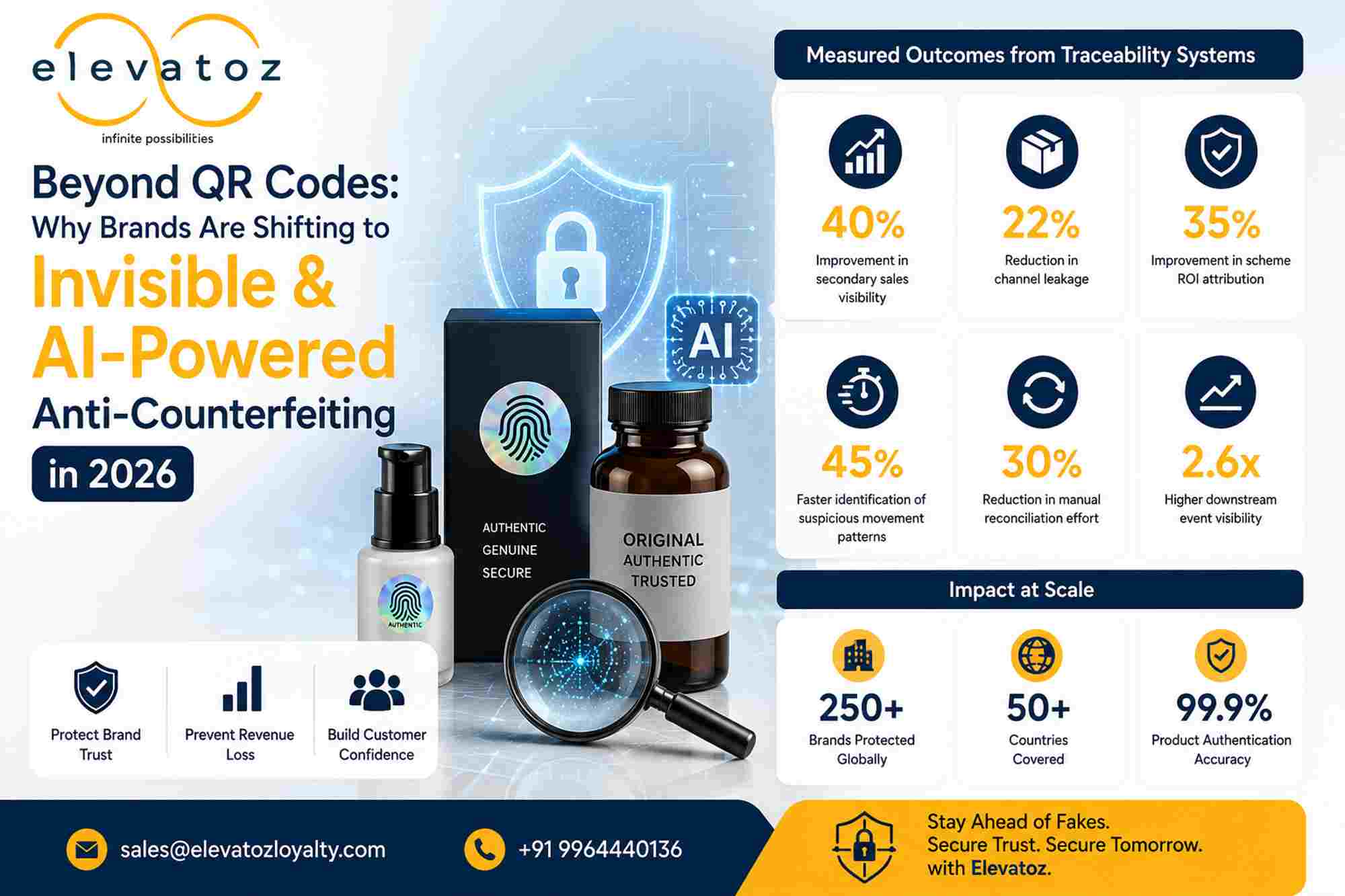
AI adds the detection layer that static codes never had: image recognition that spots micro-differences in packaging, pattern analysis that flags suspicious scan clusters (say, one code scanned 400 times from five different cities), and real-time alerts the moment something looks off. This shifts brand protection from “verify after a complaint” to “catch the pattern before it spreads.”
Where This Is Being Adopted
Luxury goods and pharmaceuticals moved first, for obvious reasons. Automotive parts, electronics, food and beverage, building materials, and industrial equipment brands are following, mainly because counterfeit parts and consumables now carry safety and liability risk, not just brand embarrassment.
QR Codes vs. AI-Powered Authentication
| Parameter | QR Code Only | AI-Powered Authentication |
|---|---|---|
| Copy Resistance | Low | High |
| Real-Time Monitoring | Limited | Yes, pattern-based alerts |
| Consumer Trust | Declining | Stronger with layered proof |
| Supply Chain Visibility | Basic | End-to-end, per unit |
| Cost Effectiveness | Cheap upfront | Higher upfront, lower fraud losses |
Quick Checklist Before You Invest
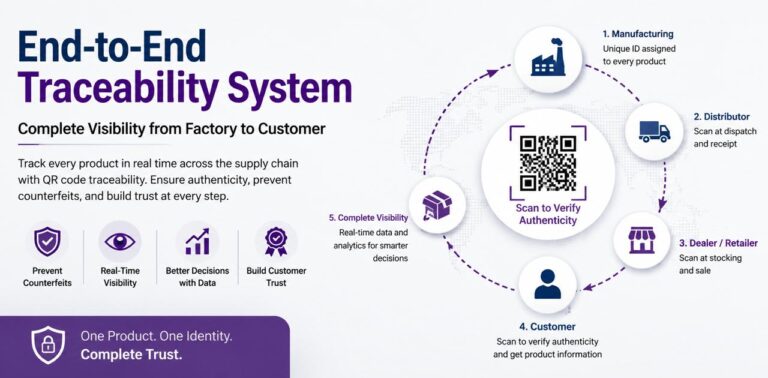
- Can you trace a single unit from factory to retail shelf?
- Can your system flag duplicate or abnormal scan patterns automatically?
- Is your authentication layer invisible to counterfeiters, not just customers?
- Does your data feed a dashboard your channel and brand teams actually use?
Expert Tip: Don’t rip out your QR codes. Layer invisible or AI-based verification underneath them. Customers still get a familiar scan experience; your fraud team gets the real protection working quietly behind it.
Myth vs. Fact: Myth: “QR codes mean we’re protected.” Fact: QR codes confirm a code exists, not that the product is genuine.
How Elevatoz Loyalty Fits In
Brand protection and dealer engagement usually sit in separate systems. That’s inefficient. At Elevatoz Loyalty, we connect product authentication with dealer engagement and consumer verification on one platform, so a single scan can confirm authenticity, log supply chain data, and trigger a loyalty reward simultaneously. Brands get an analytics dashboard showing where counterfeits are surfacing alongside real dealer and consumer activity.
Final Thought
QR codes aren’t going away, but treating them as your only line of defense is a decision most brands will regret within a year or two. The brands moving early on invisible and AI-based authentication are the ones building trust that’s harder to fake.
If your brand protection and loyalty systems are still running separately, Elevatoz Loyalty can show you what a connected authentication and engagement platform looks like. Get in touch to see it in action.
FAQs
- Is AI-powered anti-counterfeiting expensive to implement?
Setup costs vary by industry, but most brands see reduced fraud losses within the first year, making the investment self-funding over time.
- Do invisible authentication features slow down manufacturing?
No. Most invisible markers integrate into existing print and packaging processes without requiring new equipment or line changes.
- Can small and mid-sized brands afford this technology?
Yes. Many platforms offer tiered pricing, so smaller brands can start with core authentication and scale as fraud risk grows.
- Does this replace QR codes completely?
Not usually. Most brands layer invisible or AI verification underneath existing QR codes rather than removing them entirely.
- How does AI detect counterfeit products in real time?
It flags abnormal scan patterns, like the same code scanned repeatedly from unrelated locations, and alerts brand teams instantly.
- Which industries need this most urgently?
Pharmaceuticals and automotive parts carry the highest safety risk, but FMCG and electronics are close behind due to volume fraud.
- What’s the difference between serialization and invisible authentication?
Serialization assigns a unique code per unit. Invisible authentication hides that verification layer so it can’t be visually copied.
- Can consumers verify products themselves?
Yes, through a simple scan or tap, while the brand simultaneously collects supply chain and fraud-pattern data in the background.
- Does this connect with dealer or loyalty programs?
Yes. Platforms like Elevatoz Loyalty combine authentication with dealer engagement, so one scan supports both fraud prevention and rewards.
- How fast can a brand roll this out?
Pilot programs on high-risk SKUs typically launch within weeks, with full-scale rollout depending on packaging and SKU complexity.