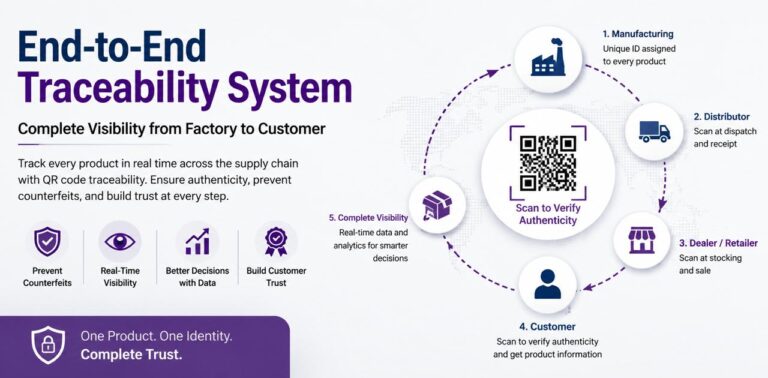

Leadership expects complete visibility into secondary sales—what dealers are selling to their customers, in what volumes, at what margins. But actual visibility is always partial, and often significantly lower than expected. There are structural reasons why.
The Data Collection Problem
Secondary sales data comes from dealers reporting their own sales. This is fundamentally different from primary sales data, where you have direct transactional records. Dealers report through invoices, order forms, surveys, or direct data entry—each mechanism has accuracy and completeness challenges.
Some dealers have systems that can export data; others require manual entry. Some are highly disciplined about reporting; others are inconsistent. Some channels have point-of-sale integration; others don’t. This creates a patchwork of visibility where you see full data from some dealers and fragmentary data from others.
Incentives Don’t Align with Transparency
Dealers have reasons not to fully disclose secondary sales data. If reported secondary sales data triggers program criteria or affects their tier status, they may under-report. If they believe transparent data could lead to demands for faster inventory turnover or increased commitments, they’ll share less.
If secondary sales visibility affects commission calculations or territory allocations, dealers will be cautious about what they reveal. The incentive structures around visibility reporting often work against complete transparency.
The Multiplicity of Sales Channels
Modern dealers don’t have a single sales channel. They sell online, through retail locations, via field sales teams, through distributors, and direct to corporate customers. Each channel generates different data trails, and not all are easily traceable back to your primary transaction.
A dealer might sell your product through an e-commerce marketplace, but the transaction only appears in their system as a wholesale purchase from their distributor, not as a direct sale. You see the distributor purchase but not the actual end sale.
Technology Gaps and Integration Issues
Perfect visibility would require deep system integration between your infrastructure and every dealer’s systems. But integration is expensive, requires maintenance, and many dealers—particularly smaller ones—don’t have sophisticated systems to integrate with.
Instead, you rely on periodic reporting, data exports, or external tracking tools. These mechanisms are slower, less complete, and more prone to error than real-time integrated data would be.
Attribution Challenges
When a dealer makes a sale, attributing it correctly to your brand, product line, or program is harder than it appears. A dealer might sell your product as part of a bundled solution. They might not clearly label it as your product in their end customer’s transaction. They might sell through a reseller who doesn’t report attribution clearly.
You end up with secondary sales data that’s partially attributed, with many sales falling into “unknown source” or “unconfirmed” categories.
Time Lag in Reporting
Secondary sales data is often reported quarterly or monthly, not in real time. By the time you have visibility into what was actually sold, weeks or months have passed. Leadership is making decisions based on stale data.
Meanwhile, dealers are making decisions based on their current market conditions, not on historical visibility into past sales. The data that exists is both incomplete and outdated.
The Cost of Perfect Visibility
Achieving significantly higher secondary sales visibility would require investing in dealer system integration, providing them with better reporting tools, building incentives for transparency, and potentially accepting higher operational costs. Many organizations decide that perfect visibility isn’t worth the investment, so they accept partial visibility instead.
But leadership often doesn’t understand why visibility is limited, leading to persistent frustration that the visibility problem is just an execution issue rather than a structural constraint.
What Leadership Should Expect
Instead of expecting complete visibility, structure your decisions around the visibility you can reliably achieve. Prioritize transparency in the highest-value segments where investment in integration or incentive alignment makes sense. Accept that secondary sales data will always be partial, and build programs and strategies that work with that constraint rather than assuming it can be completely overcome.