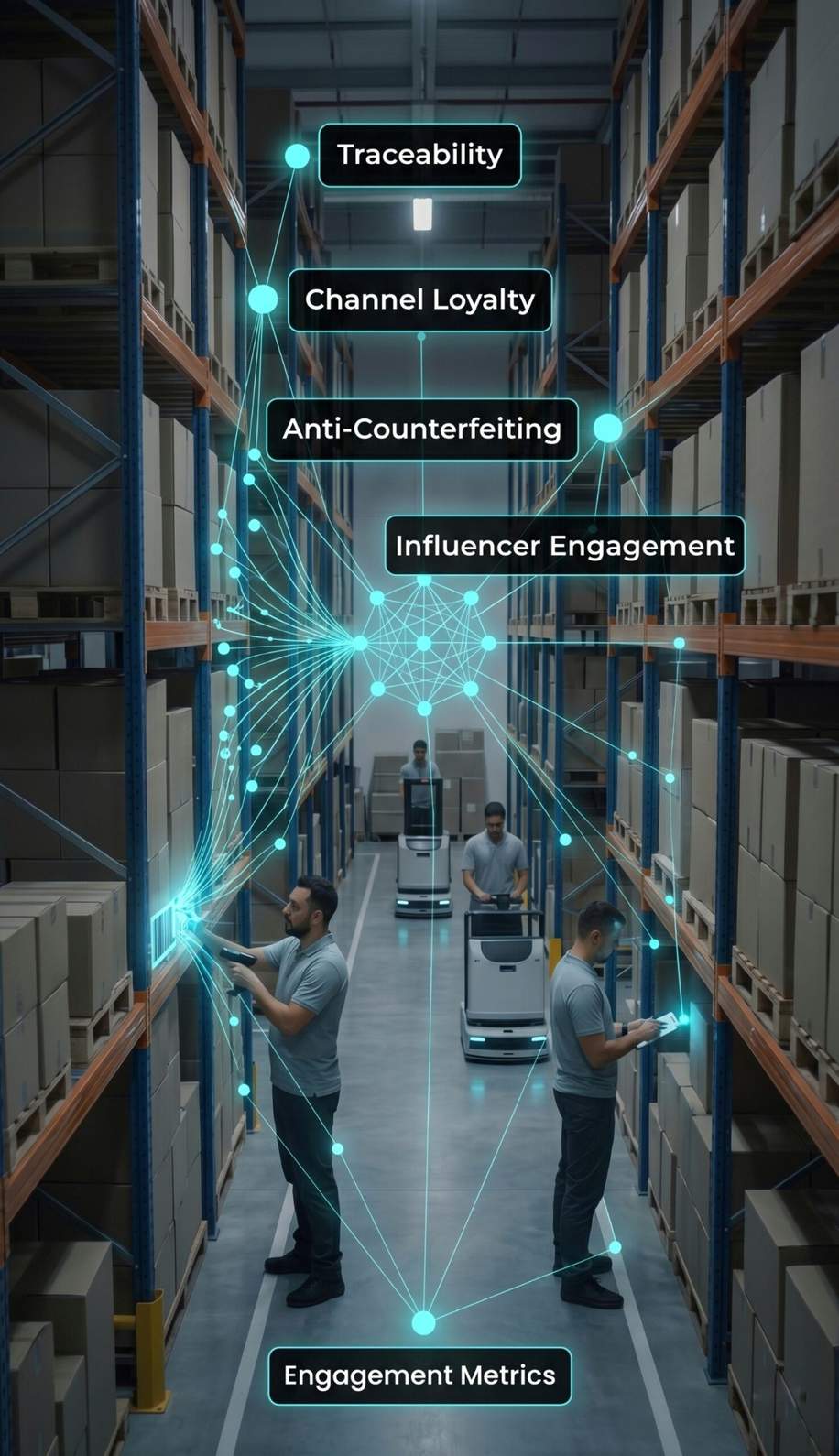
Zentram.ai is the platform layer that powers loyalty, traceability, anti-counterfeiting, and influencer engagement systems through one shared architecture for rules, events, workflows, analytics, and governance.
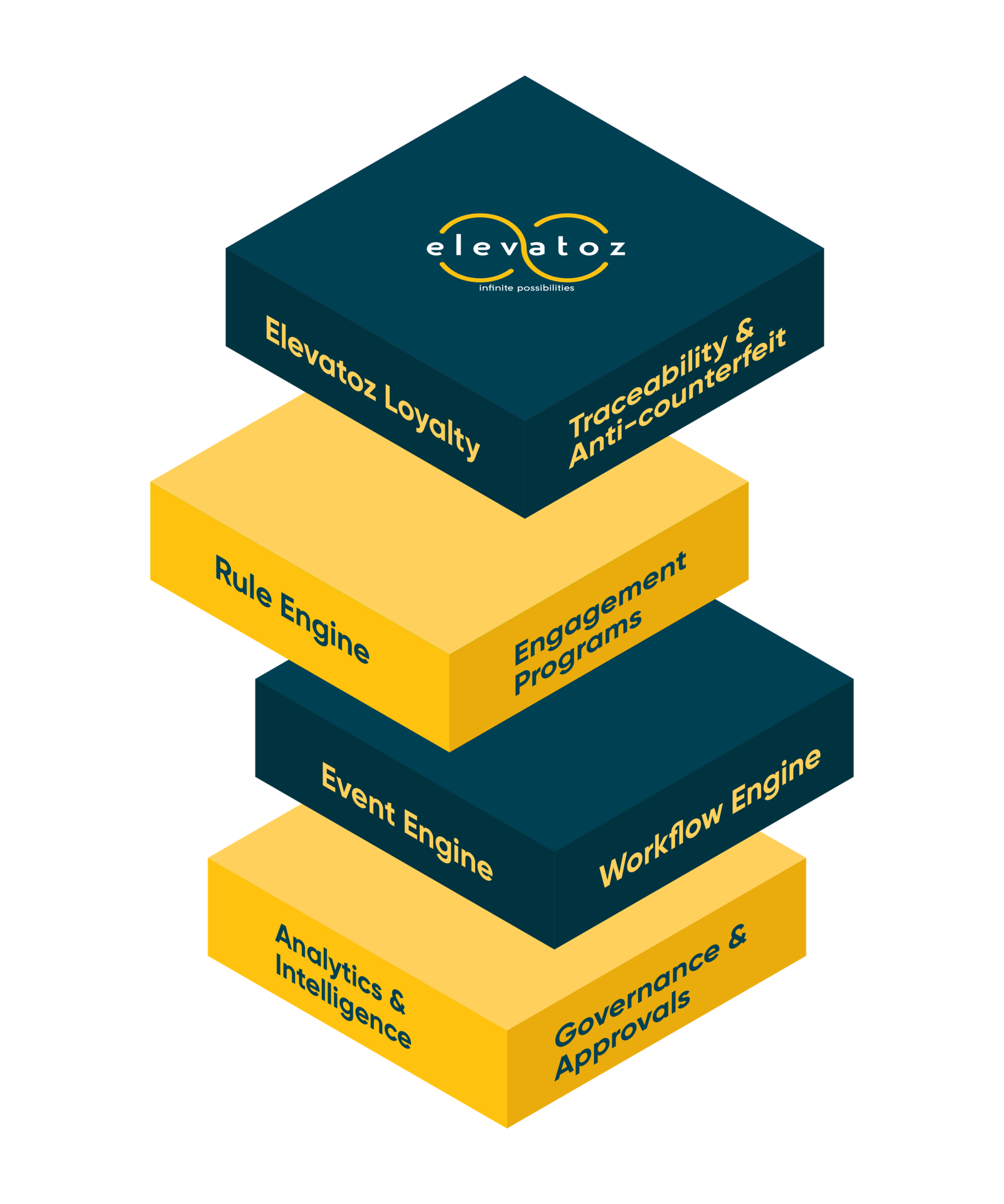
Zentram.ai is built as a modular platform architecture that allows multiple program types to run on a shared foundation without fragmenting data, rules, or governance. Each capability layer can operate independently, but all layers draw from the same event structure, identity model, approval logic, analytics framework, and control systems. This allows enterprises to scale programs without losing operational consistency.
Zentram.ai operates through a set of shared engines that manage how programs behave, how data is captured, and how actions move through the system.
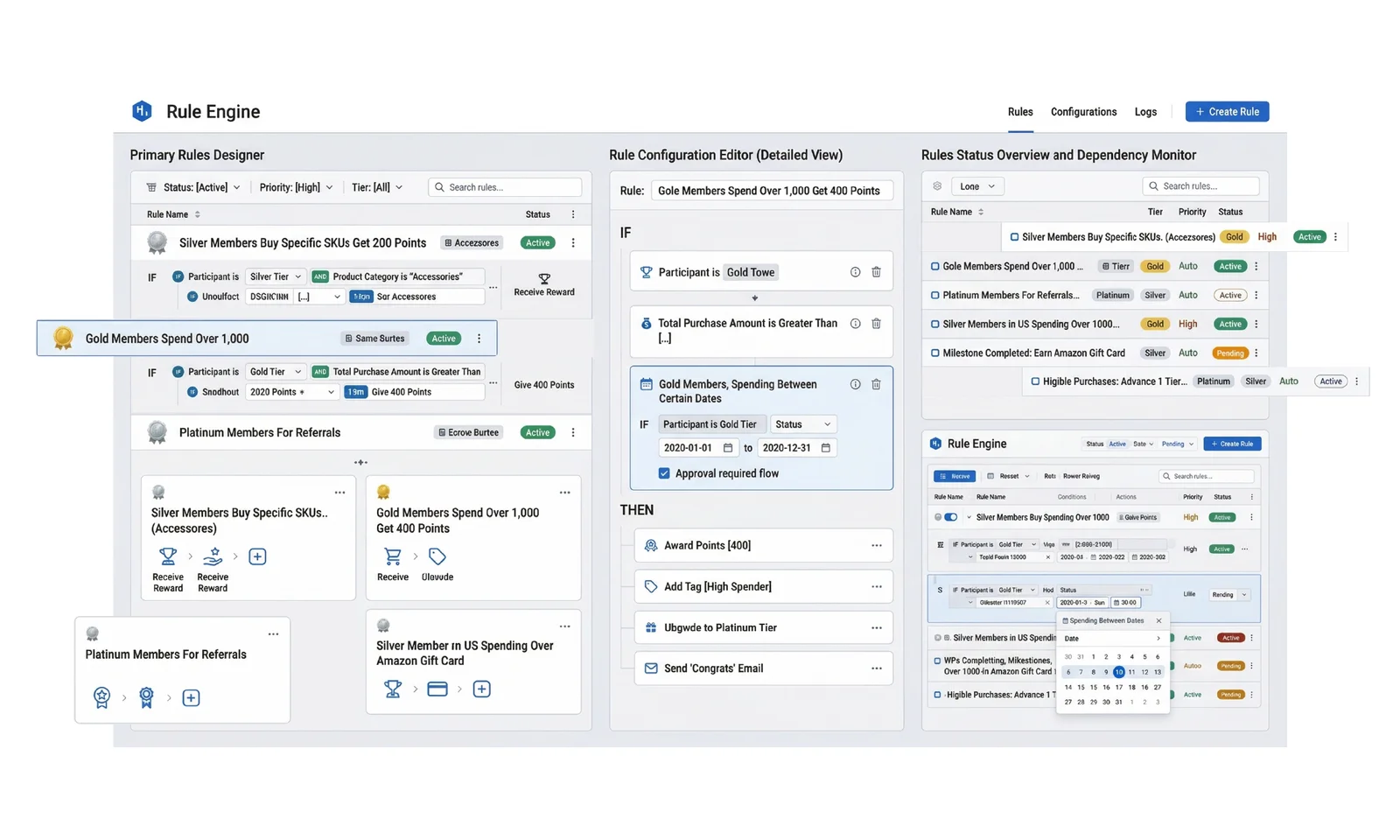
The Rule Engine defines how programs behave. It governs earning logic, thresholds, eligibility, tier movement, approval conditions, and bonus structures across products, geographies, roles, and time periods.
The Event Engine captures every significant program action across scans, submissions, validations, redemptions, workflow changes, and support interactions. Each event is logged with the context needed for analytics, auditability, and operational review.
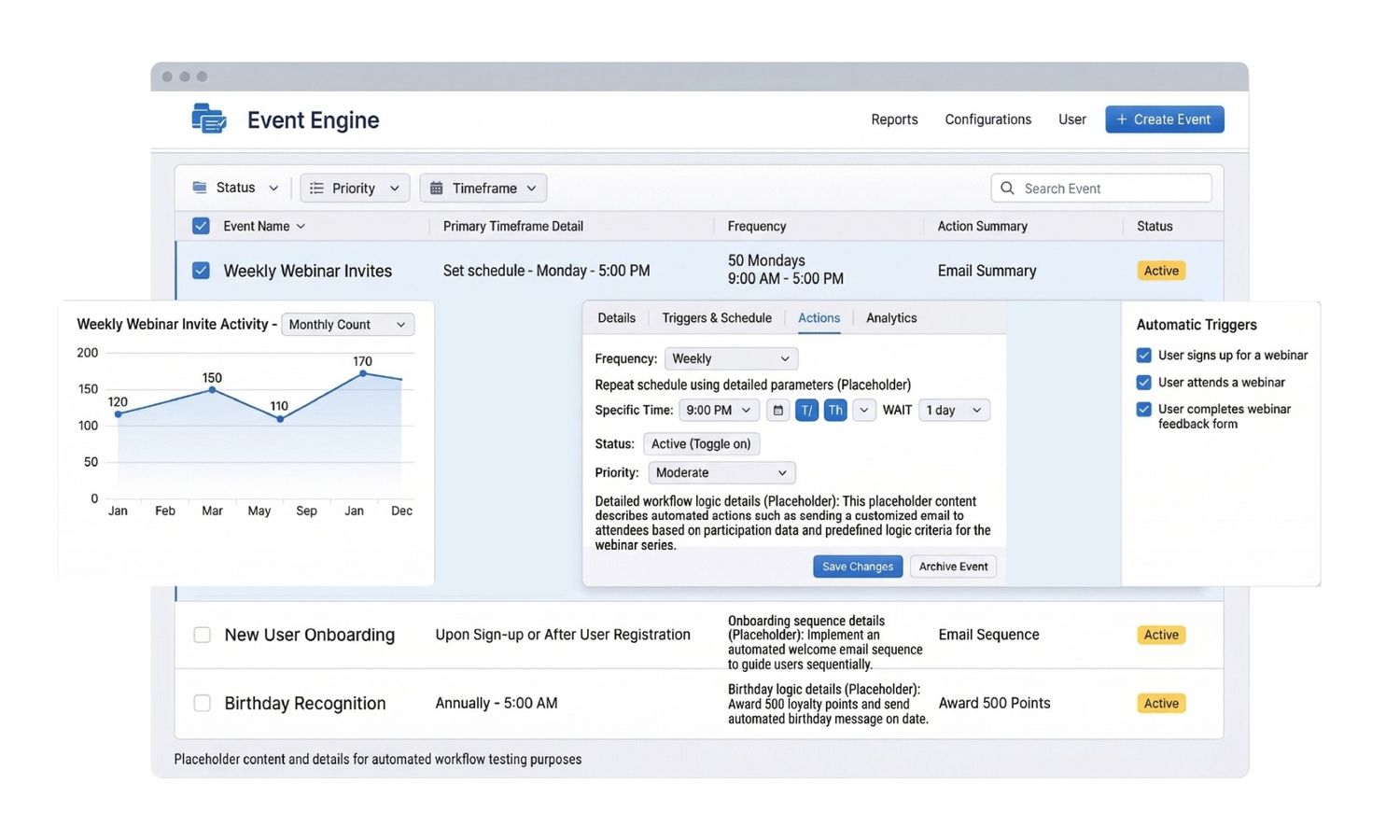
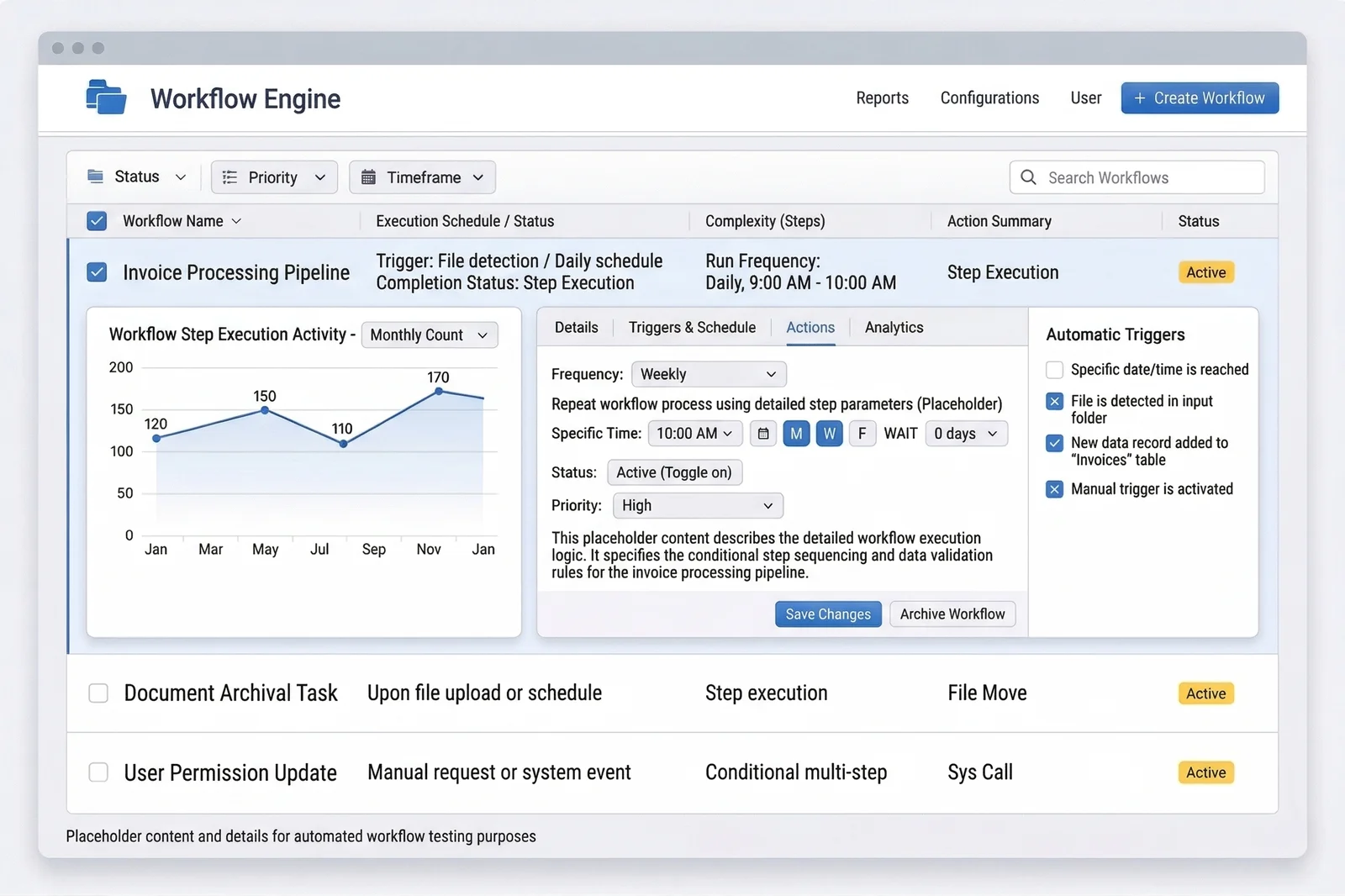
The Workflow Engine automates the movement of actions through approvals, escalations, fulfilment triggers, notifications, and exception paths. This reduces manual dependency and keeps execution consistent across program operations.
Zentram.ai supports gamification as a configurable system layer rather than a decorative add-on. Milestones, challenges, streaks, leaderboards, tier progression, and bonus logic can be activated based on program objectives, participant types, and verified events. This allows engagement mechanics to be introduced or adjusted without rebuilding the program environment.
Configure milestones, challenges, and bonus conditions through rule-based logic that can be adjusted without code deployment.
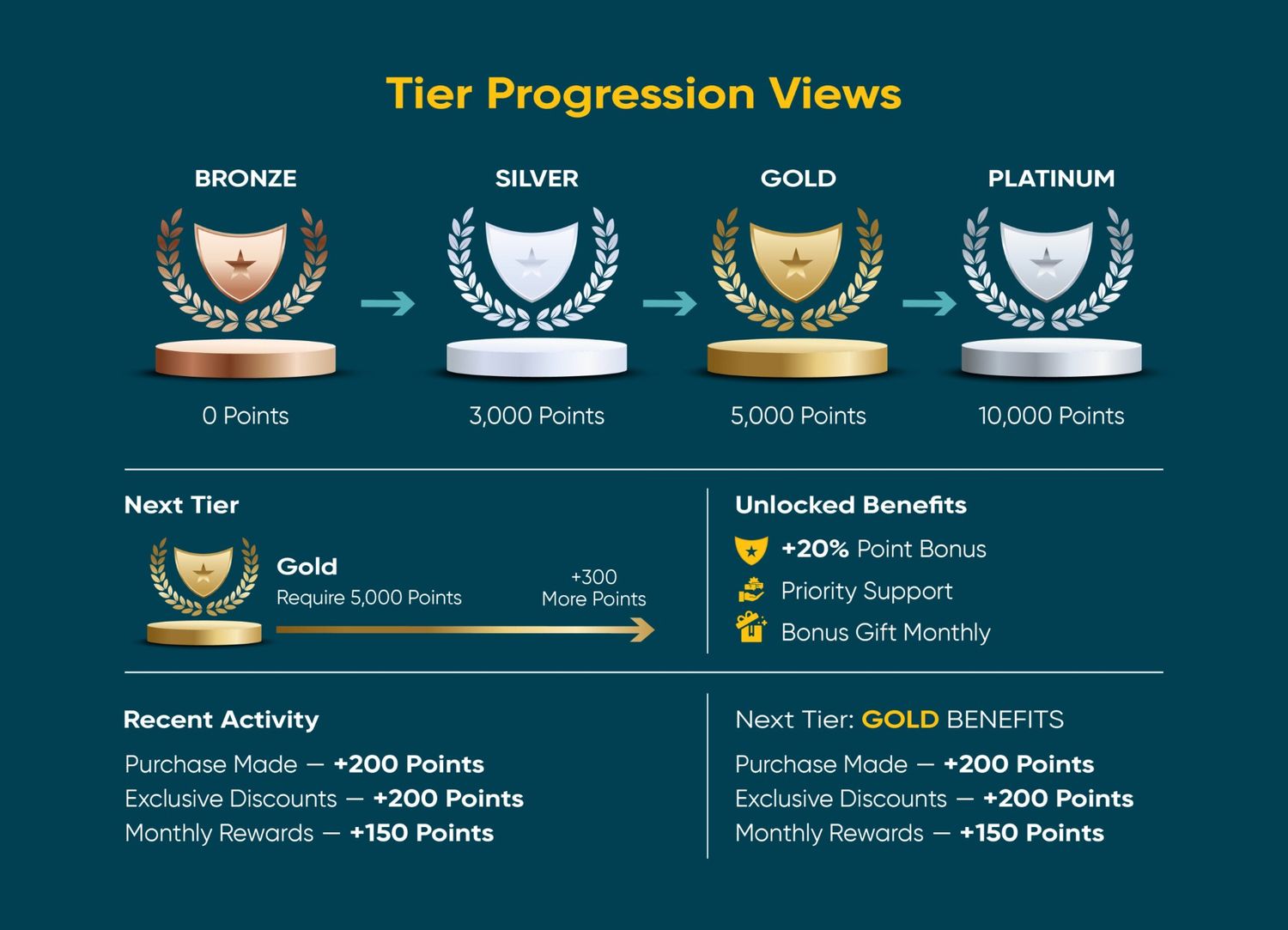
Tier progression views show participant status, next-threshold visibility, and earned benefits in a format tied to validated platform events
Zentram.ai converts program activity into structured data that can be used for operational, commercial, and governance decisions. Role-based dashboards provide visibility into participation, performance, operational health, and exception patterns. Intelligence models can be applied to identify behavioural segments, drop-off risks, and optimisation opportunities.
A consolidated dashboard view brings together program performance, participant behavior, and operational metrics into one decision layer for business teams.
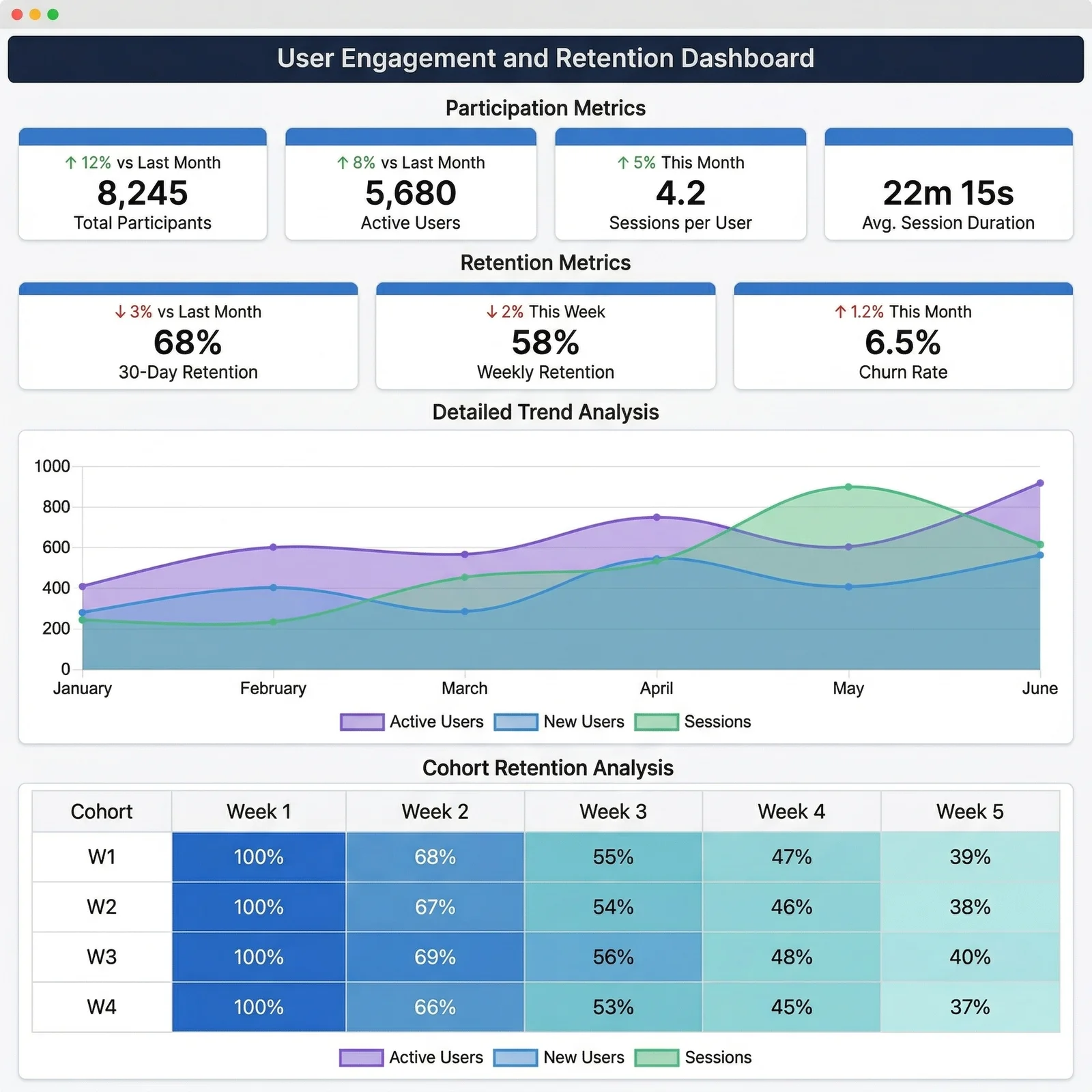
Track engagement levels, cohort retention, and activity drop-off patterns across program audiences. These views help teams identify where program energy is building, flattening, or declining.
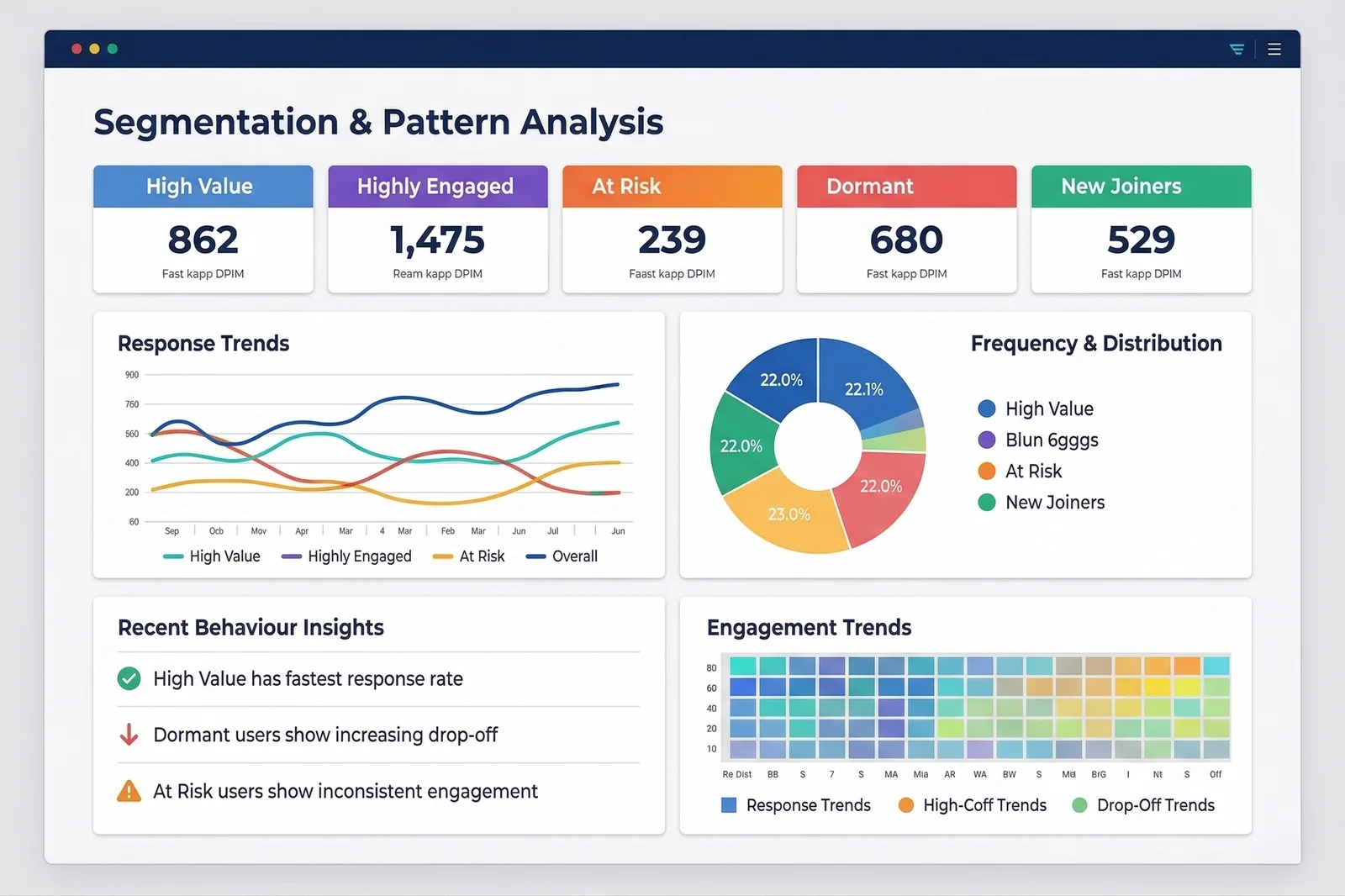
Participant data can be segmented by behaviour, engagement depth, responsiveness, and performance indicators, allowing more targeted intervention, communication, and program design decisions.
Real-time visibility into program health and activity
Program effectiveness, cohort behaviour, and response patterns
Audit-ready datasets, exception visibility, and control trails
Zentram.ai integrates the operational workflows required to run programs at scale. Helpdesk interactions, onboarding tasks, fulfilment coordination, escalations, and support metrics are connected to the same platform data used by program and business teams. This keeps technology and execution aligned rather than treating operations as a separate layer outside the system.
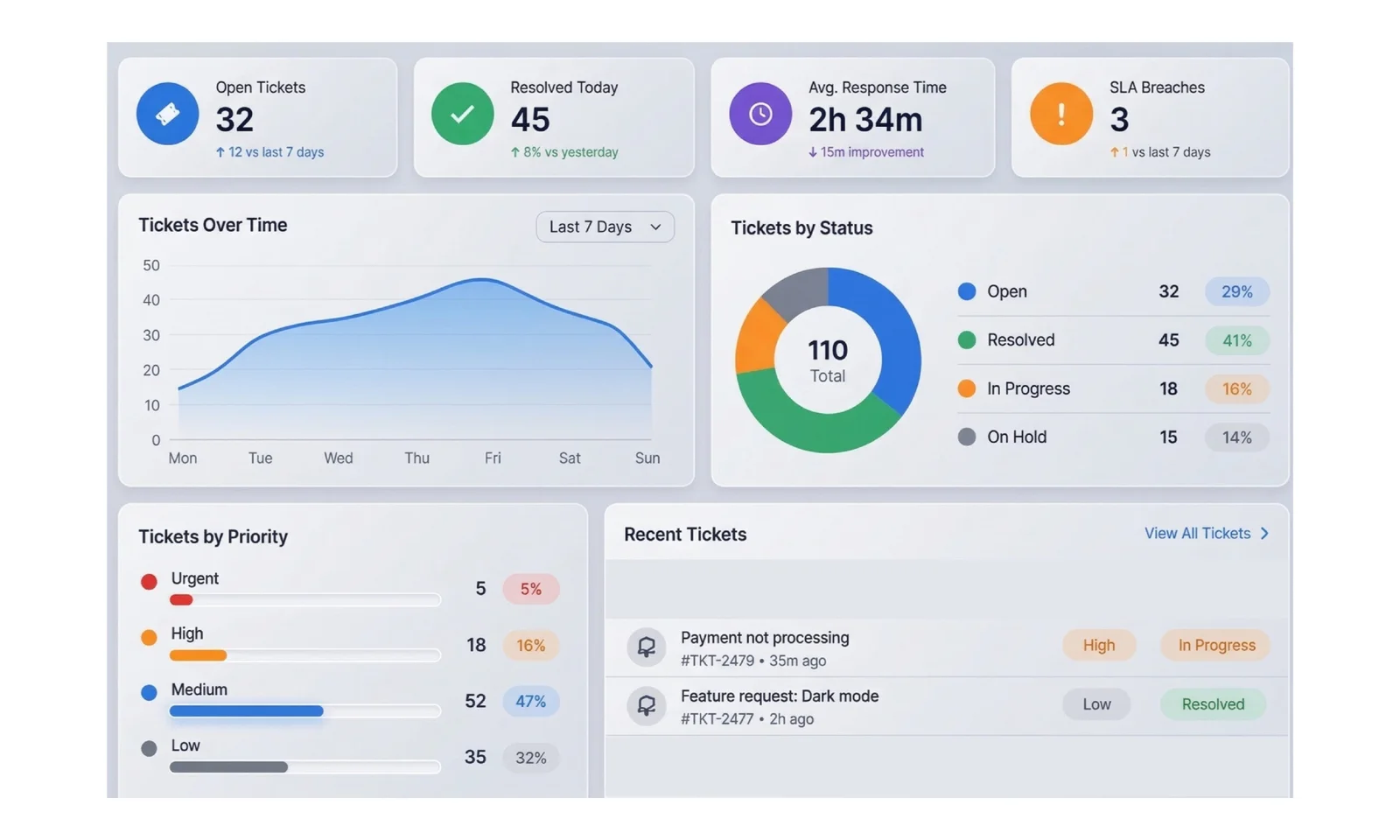
Track ticket volumes, SLA adherence, escalation flows, and issue resolution across active program operations.
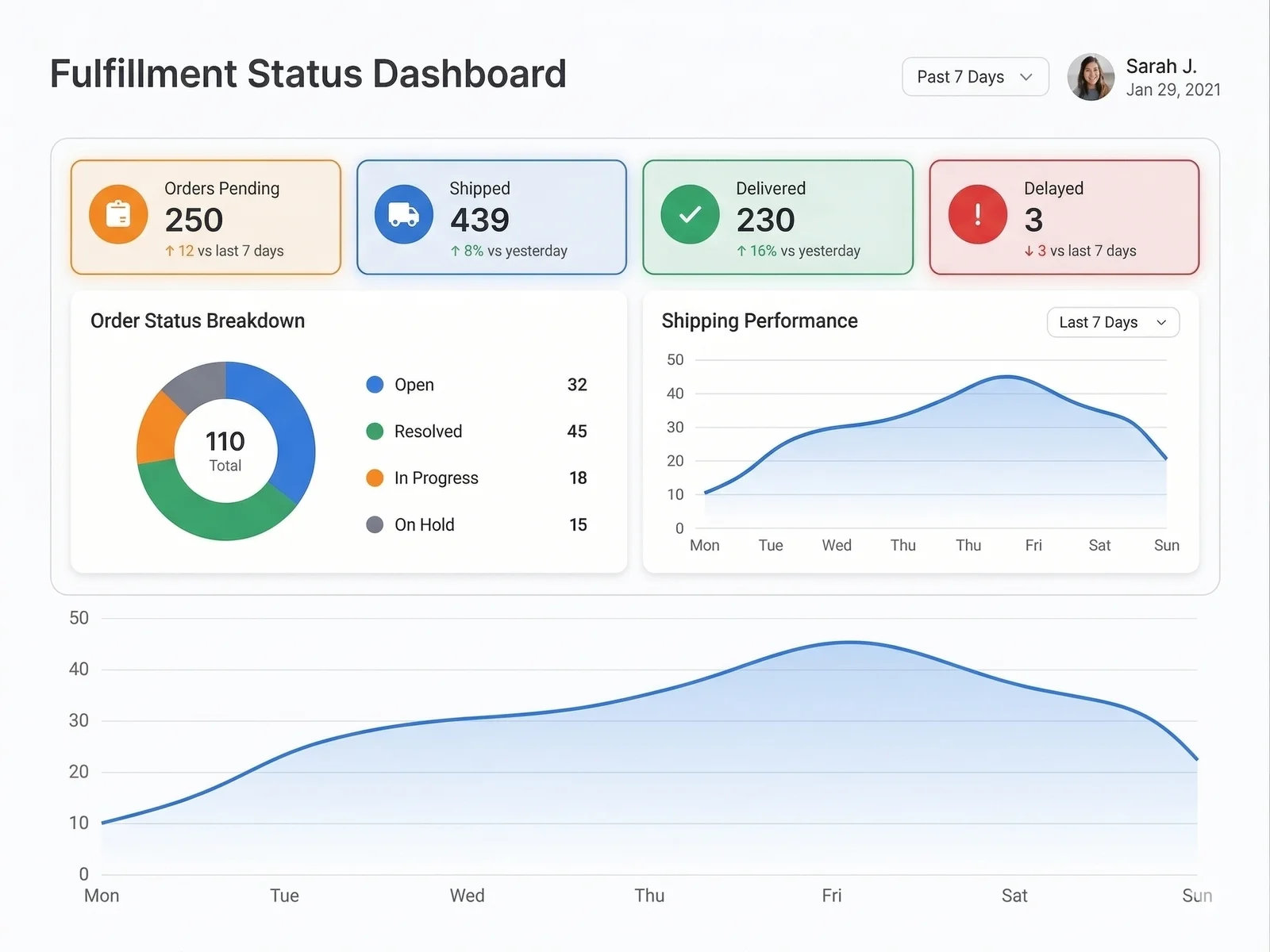
Monitor order flow, vendor coordination, fulfilment triggers, and status movement across the redemption and delivery cycle.
Execution workflows connected to the same platform logic and data layer
Enterprises use Zentram.ai to run multiple programs concurrently while maintaining consistency, control, and auditability across environments. The platform is designed to sustain high event accuracy, dependable uptime, automated processing, and decision-ready datasets across active deployments.
Platform uptime across live environments
Validated event accuracy
Transactions processed across systems
Operational SLA adherence